
La ciudad donde todos hablan con refranes
La ville où tout le monde parle en proverbes
Read with word translations
Text with translation
La ciudad donde todos hablan con refranes
The City Where Everyone Speaks in Proverbs
En su primera mañana en la ciudad, Iván bajó del tren y el jefe de estación lo saludó con un guiño: «Más vale tarde que nunca», dijo, sellando el billete como quien sella un pacto amistoso.
On his first morning in the city, Ivan stepped off the train and the station master greeted him with a wink: “Better late than never,” he said, stamping the ticket as if sealing a friendly pact.
En una cafetería de la esquina, la barista deslizó una taza por la barra y añadió: «A quien madruga, Dios le ayuda», señalando la pizarra donde el desayuno terminaba al mediodía.
At a corner café, the barista slid a cup across the counter and added, “The early bird catches the worm,” pointing at a chalkboard that listed breakfast until noon only.
Iván intentó conversar, pero cada respuesta regresaba como un refrán, como si toda la ciudad funcionara con sabiduría en pequeñas dosis: «Las acciones hablan más que las palabras», dijo un transeúnte cuando Iván prometió ayudar a cargar una maleta.
Ivan tried to reply with small talk, but every answer bounced back as a proverb, as if the whole city ran on ready-made wisdom: “Actions speak louder than words,” said a passerby when Ivan promised to help carry a suitcase.
Deambuló por el mercado, donde los precios se explicaban con sonrisas y dichos: «Quien algo quiere, algo le cuesta», bromeó un vendedor al levantar una caja de naranjas para mostrar su peso y su valor.
He wandered through a market where prices were explained with smiles and sayings: “No pain, no gain,” a vendor laughed, lifting a crate of oranges to show their weight and worth.
En la biblioteca, la bibliotecaria susurró: «No dejes para mañana lo que puedas hacer hoy», y le deslizó un mapa de la ciudad con un orgullo tranquilo.
At the library desk, the librarian whispered, “Don’t put off till tomorrow what you can do today,” and slid him a map of the city with quiet pride, as though punctual curiosity were a virtue.
Al principio, vivir entre refranes fue como caminar de puntillas por un museo de frases, pero el ritmo pronto lo atrapó, como una música que te hace mover los pies sin darte cuenta.
At first, living among proverbs felt like tiptoeing through a museum of phrases, but the rhythm soon pulled him in, like music you didn’t notice until your feet began to move.
En el metro, dos estudiantes discutieron rutas y luego se pusieron de acuerdo: «Dos cabezas piensan mejor que una», dijeron, trazando para Iván un camino como si fuera parte de su proyecto.
On the subway, two students argued about routes and then agreed at once: “Two heads are better than one,” they said, charting a path for Ivan as if he were part of their project.
Cuando una tormenta repentina inundó la avenida, un comerciante sostuvo la puerta a los desconocidos y sonrió: «No hay mal que por bien no venga», porque la lluvia atraía a más gente a su panadería tibia.
When a sudden storm flooded the boulevard, a shopkeeper held the door for strangers and grinned: “Every cloud has a silver lining,” because the rain drove more people into his warm bakery.
En el centro comunitario, los voluntarios enseñaban idiomas bajo una regla sencilla: «La práctica hace al maestro», y los errores eran peldaños, no muros.
At a community center, volunteers taught language classes where the rule was simple: “Practice makes perfect,” and mistakes were treated like stepping‑stones rather than walls.
Tras una entrevista de trabajo, Iván se advirtió a sí mismo: «No cuentes los pollos antes de nacer», y la reclutadora soltó una risa amable, impresionada por su esperanza con los pies en la tierra.
Once, after a job interview, Ivan blurted out a caution to himself: “Don’t count your chickens before they hatch,” and the recruiter laughed kindly, impressed by his grounded hope.
Por la noche, un vecino lo invitó a una cena en la azotea y dijo: «Donde fueres, haz lo que vieres», entregándole un delantal y una cuchara de madera para el guiso compartido.
In the evening, a neighbor invited him to a rooftop dinner and said, “When in Rome, do as the Romans do,” handing him an apron and a wooden spoon for the shared stew.
Cocinando juntos, planearon recados para «matar dos pájaros de un tiro», combinando las compras con la práctica del idioma y el ejercicio con explorar calles nuevas.
Cooking together, they planned errands to “kill two birds with one stone,” pairing grocery runs with language practice, and exercise with exploring new streets.
Al final del mes, Iván notó un cambio sereno: ya no buscaba las palabras correctas; las palabras correctas lo encontraban a él, pacientes como el atardecer.
By the end of the month, Ivan noticed a quiet shift: he no longer hunted for the right words — the right words found him, patient as dusk.
Entendió que, en esta ciudad, los refranes no eran clichés sino pasamanos en escaleras empinadas, mapas compactos que la gente se ofrecía de buena fe.
He understood that in this city proverbs were not clichés but handrails on steep stairs, compact maps people offered each other in good faith.
Y cuando la nostalgia llamó a la puerta una noche, susurró su propia brújula en la oscuridad: «Querer es poder», y durmió sintiendo que la ciudad respiraba con él.
And when homesickness knocked late one night, he whispered his own compass into the dark: “Where there’s a will, there’s a way,” and slept, feeling the city breathe with him.
Similar stories
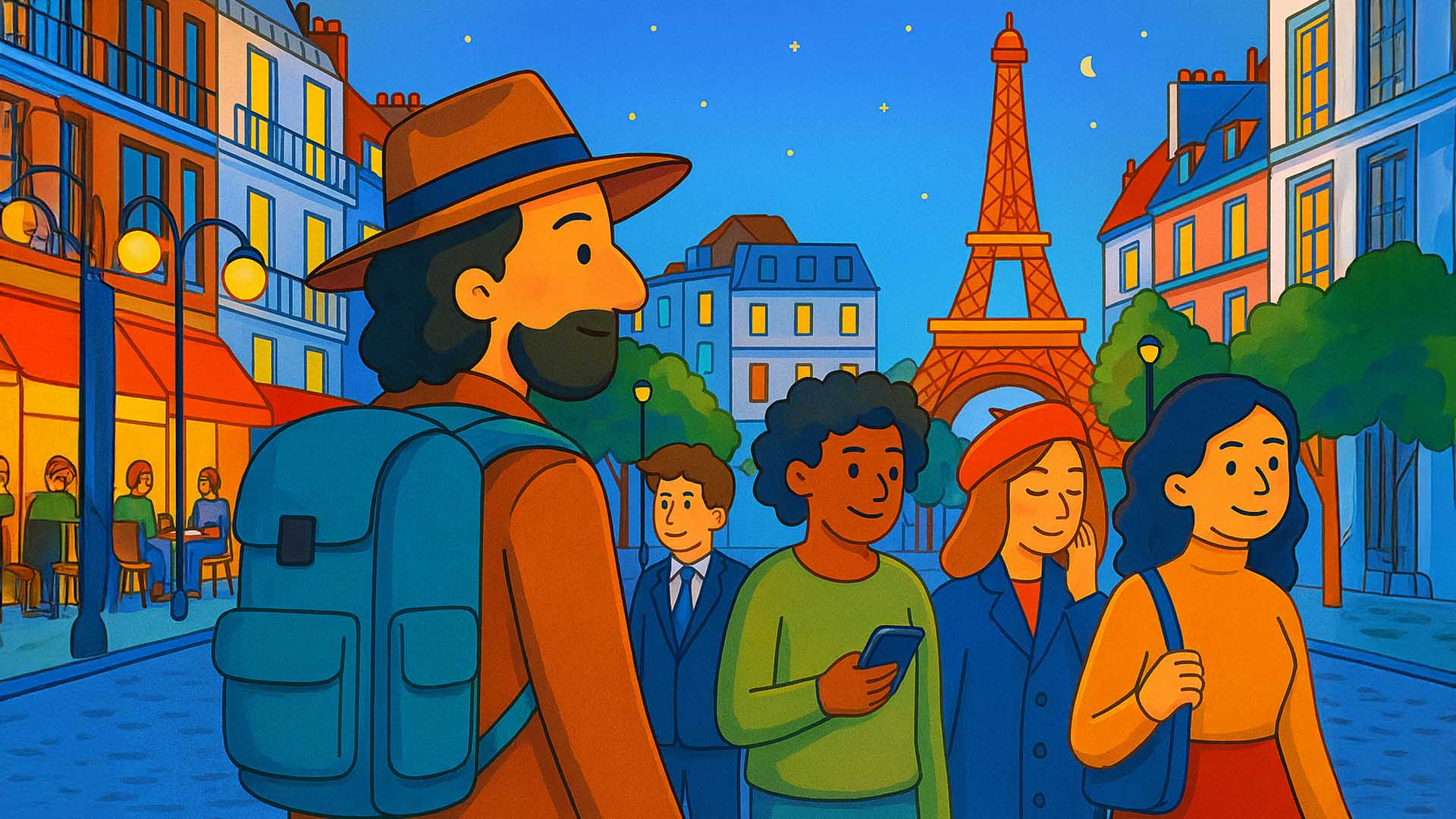 B2El hombre que hablaba muchos idiomasThe Man Who Spoke Many LanguagesEl hombre que hablaba muchos idiomas Víctor Larsen era un famoso viajero, escritor y lingüista. Desde niño soñaba con entender a personas de diferentes partes del mundo.2 min
 B2La librería que solo abre de nocheThe Bookstore That Only Opens at NightLa librería que solo abre de noche En el centro de la ciudad, entre calles ruidosas y letreros brillantes, había una tienda poco común.2 min
 B2Un año sin internetA Year Without the InternetUn año sin internet Un frío día de enero, Marina decidió apagar el internet en casa. No fue una decisión impulsiva, sino un intento bien pensado de cambiar su vida.2 min
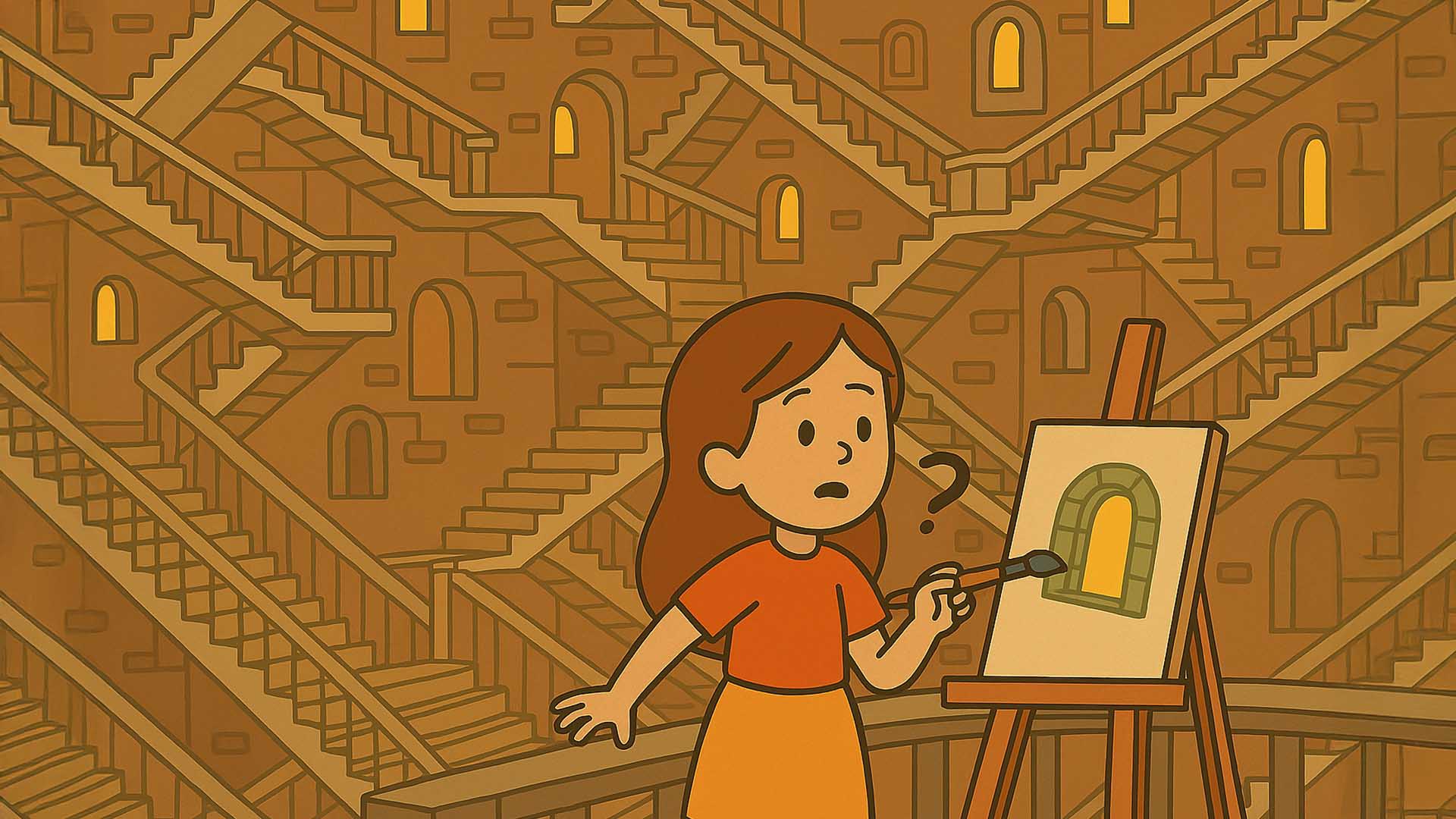 B2La ciudad que cambia cada mañanaThe City That Changes Every MorningLa ciudad que cambia cada mañana En esta ciudad, las casas y calles cambian de lugar cada mañana, como piezas en un tablero de ajedrez.2 min
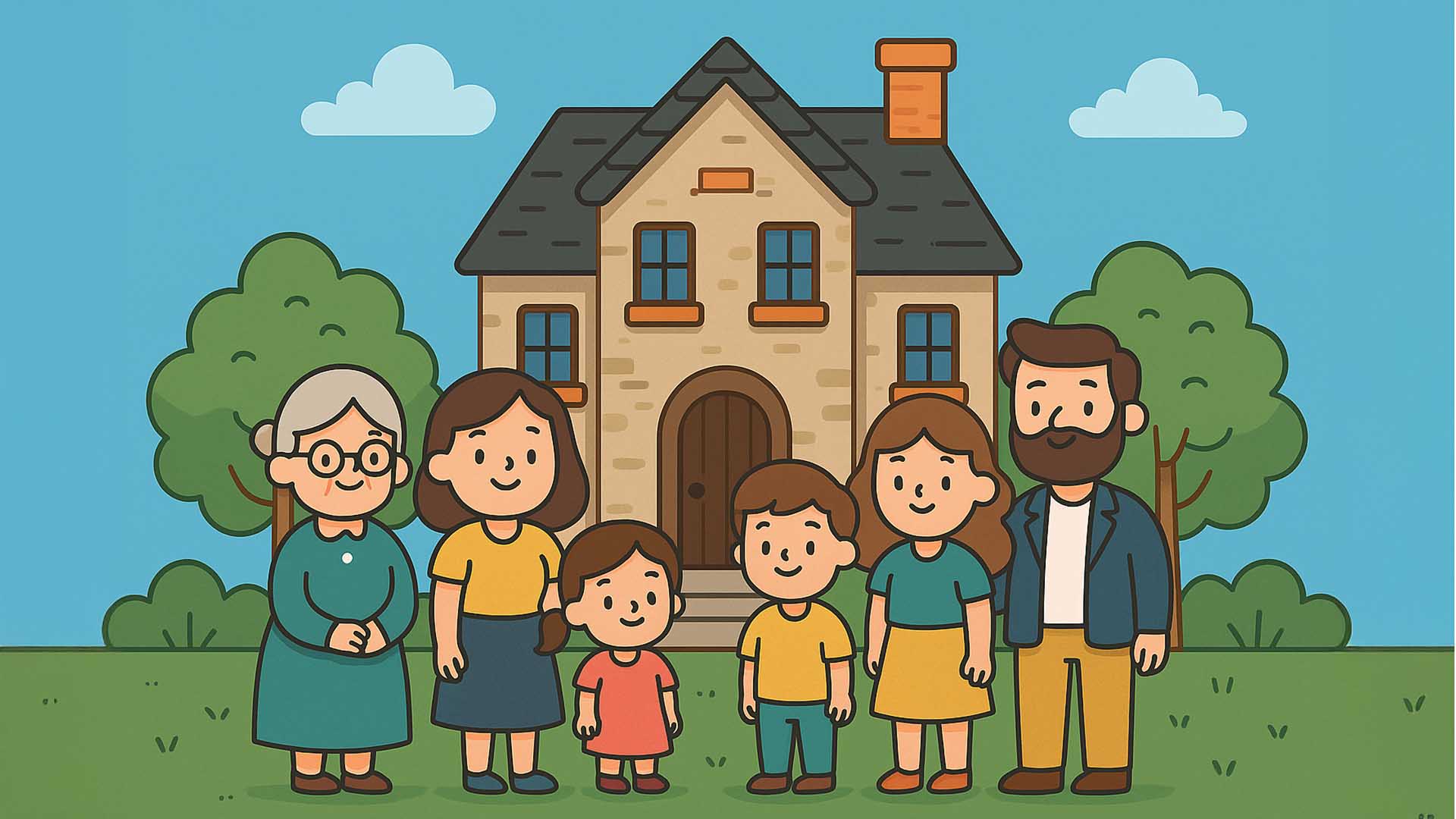 B2La casa de tres generacionesThe House of Three GenerationsLa casa de tres generaciones En una casa vieja pero acogedora, en las afueras de la ciudad, viven tres generaciones de una misma familia.2 min
 B2La isla donde el tiempo pasa más despacioThe Island Where Time Runs SlowerLa isla donde el tiempo pasa más despacio En el borde del océano infinito se encuentra una pequeña isla, hogar de apenas unas doscientas personas.2 min